
Getting the right sleeve length is harder than it sounds. Most people guess, and most people get it wrong.
This guide shows you exactly how to measure dress shirt sleeve length, step by step, from home. No tailor needed to start.
A wrong sleeve length can ruin how a shirt looks, even if everything else fits perfectly. I have been there, and I know how frustrating it is.
With over five years of writing about men's fit and sizing, I know what works.
Here is what this blog covers:How to measure correctly What tools you need How a proper fit should look When to call a tailor
Why Accurate Dress Shirt Sleeve Length Matters
Most people focus on chest size or collar width when buying a dress shirt. Sleeve length gets ignored. That is a mistake.
When your sleeve length is off, the entire shirt looks wrong. Short sleeves expose too much wrist. Long sleeves bunch up or hide under your jacket. Neither looks good.
A correct sleeve length keeps the shirt sitting properly on your shoulders. It keeps the cuff in the right position. It stops the shirt from pulling, bunching, or shifting during the day.
Getting this one measurement right changes how every dress shirt you own looks and feels on your body.
Tools You Need to Measure Dress Shirt Sleeve Length

Having the right tools before you start makes the whole process faster and more accurate.
Flexible Measuring Tape
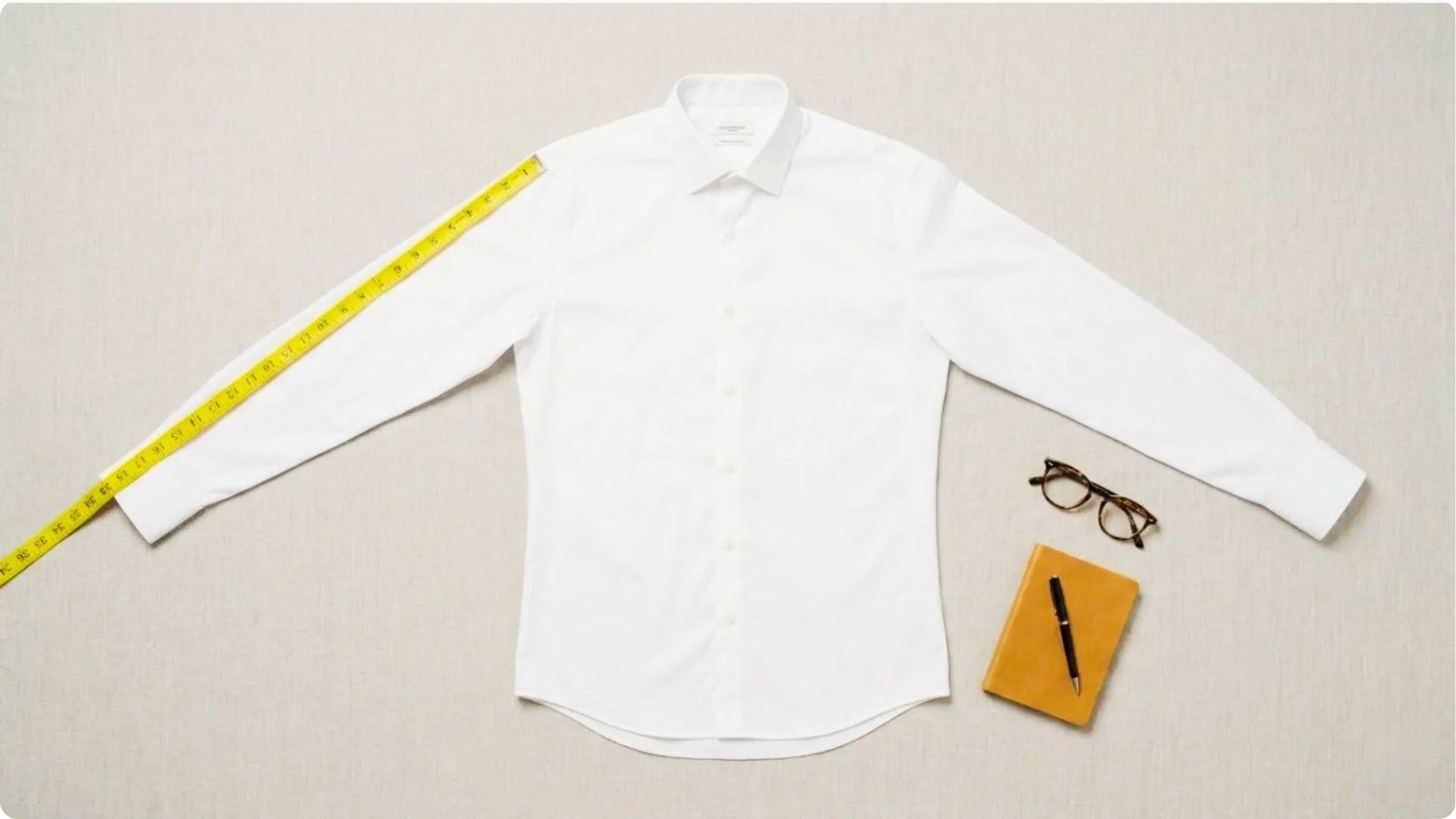
A soft, flexible measuring tape follows the natural curve of your arm and shoulder. Rigid rulers cannot bend around your body. Find one at any fabric store for very little cost.
A Well-Fitting Dress Shirt
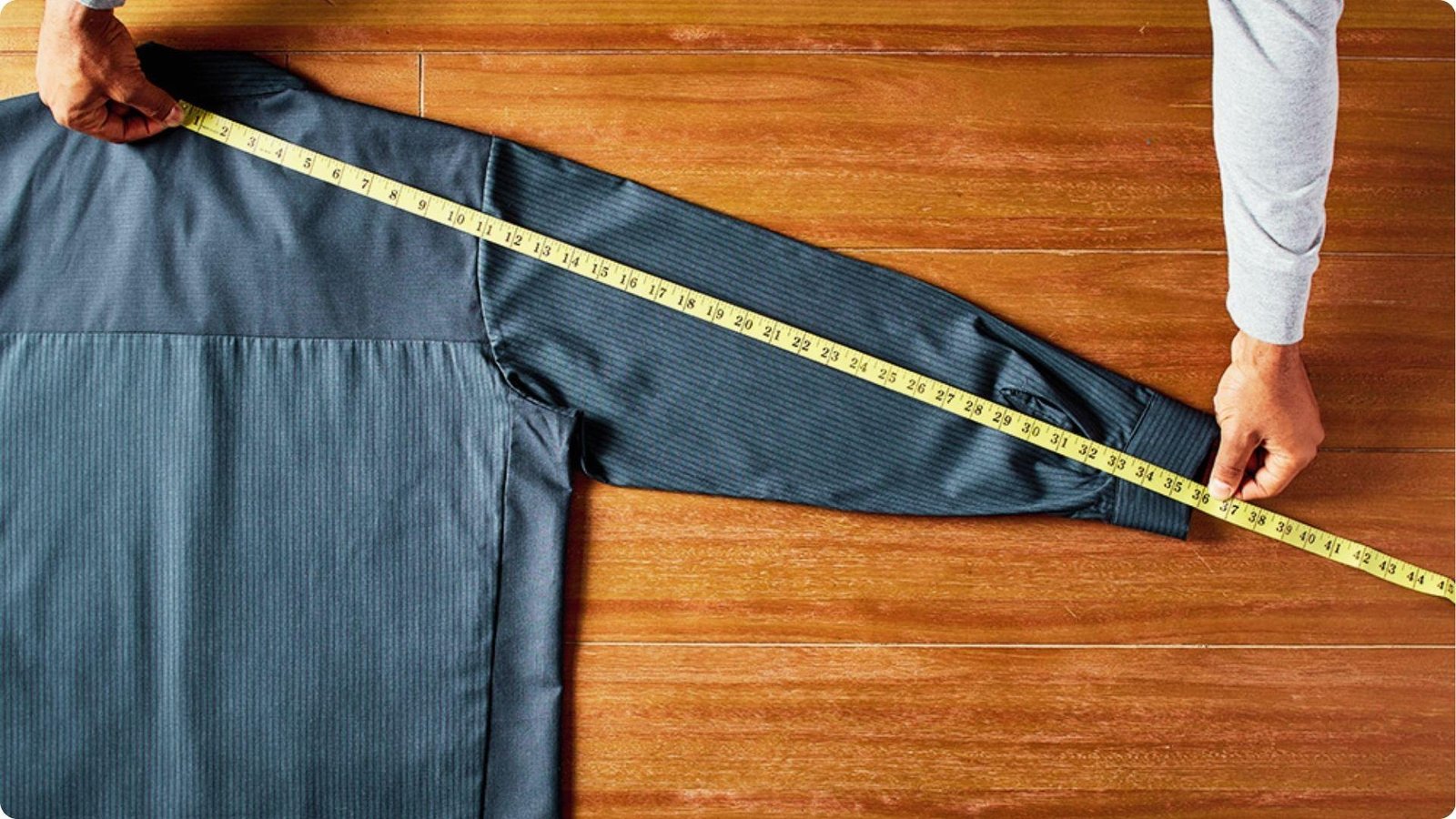
If you own a dress shirt that fits well, lay it flat and measure from the center back collar seam to the cuff end. This gives you a quick and reliable baseline number.
A Friend or Helper for Better Accuracy
A second person holds the tape steady while you stand naturally. This reduces small errors that happen when you measure alone. If no one is available, measure two or three times to confirm.
Pen and Paper to Record Measurements
Write your measurements down right away before you forget. Many people measure correctly but lose the number before shopping. Use your phone or a notepad to save it clearly.
How to Measure Dress Shirt Sleeve Length Step by Step
Follow these steps carefully and you will get an accurate sleeve length measurement every time.
Step 1: Gather Your Measuring Tools
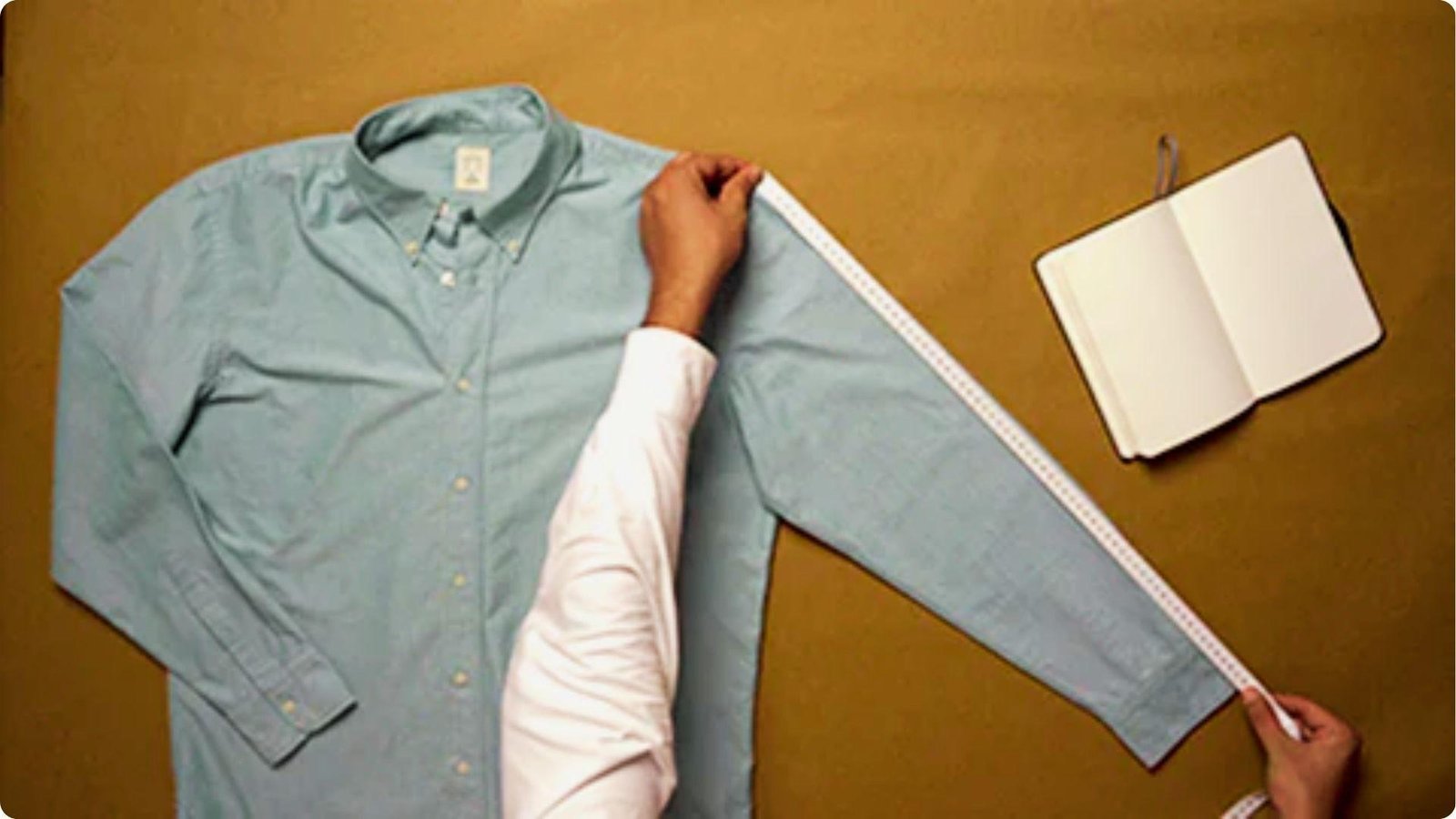
Collect your flexible tape, a pen, and paper before you begin. Wear a fitted shirt so the tape sits close to your body. Stand in a relaxed, natural position for the best result.
Step 2: Find the Starting Point at the Center Back of Your Neck
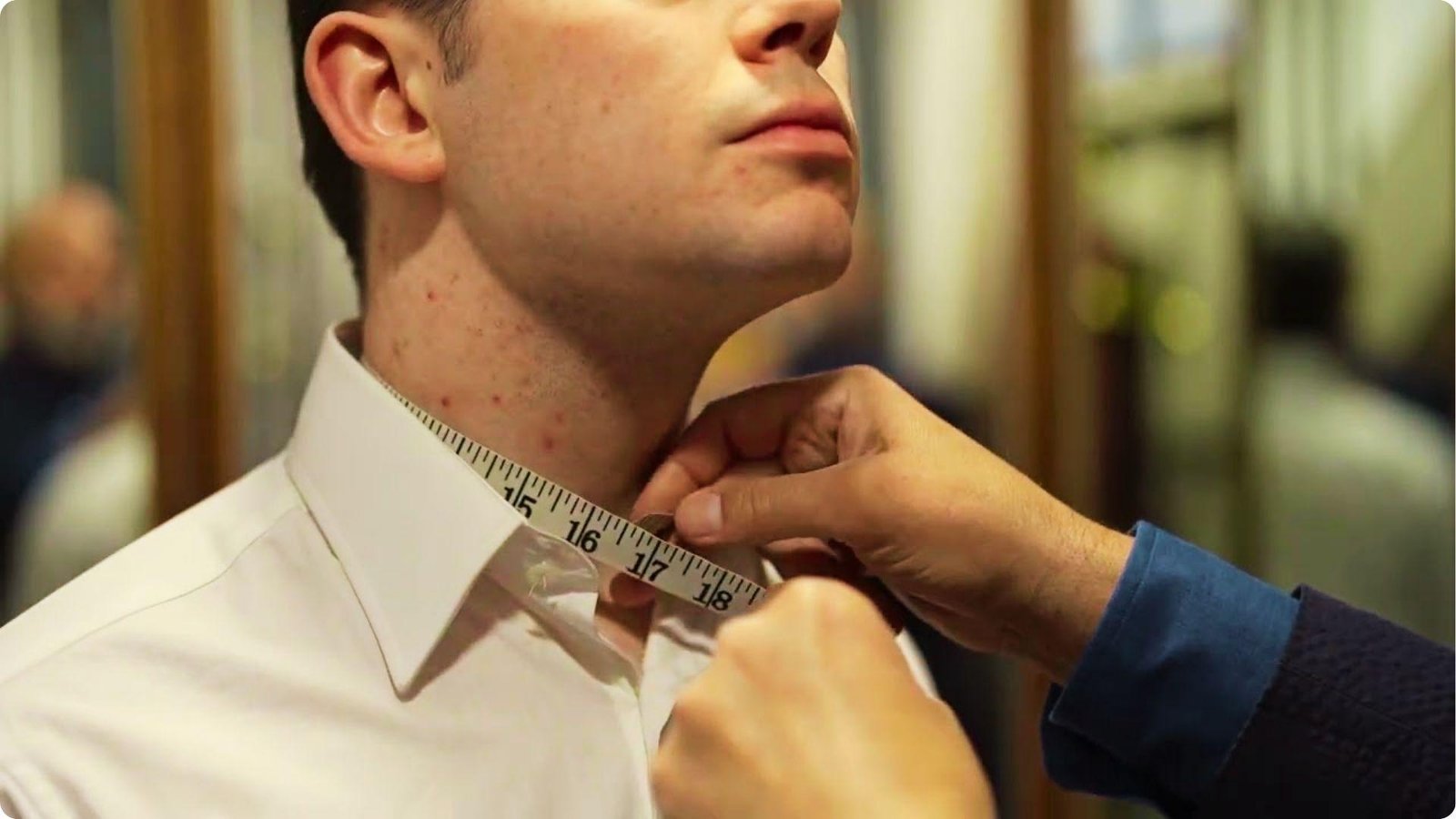
Place the tape end at the center back of your neck, right where the collar would rest. This is your starting point for the full sleeve measurement. Make sure it does not shift while you measure.
Step 3: Measure Across the Shoulder
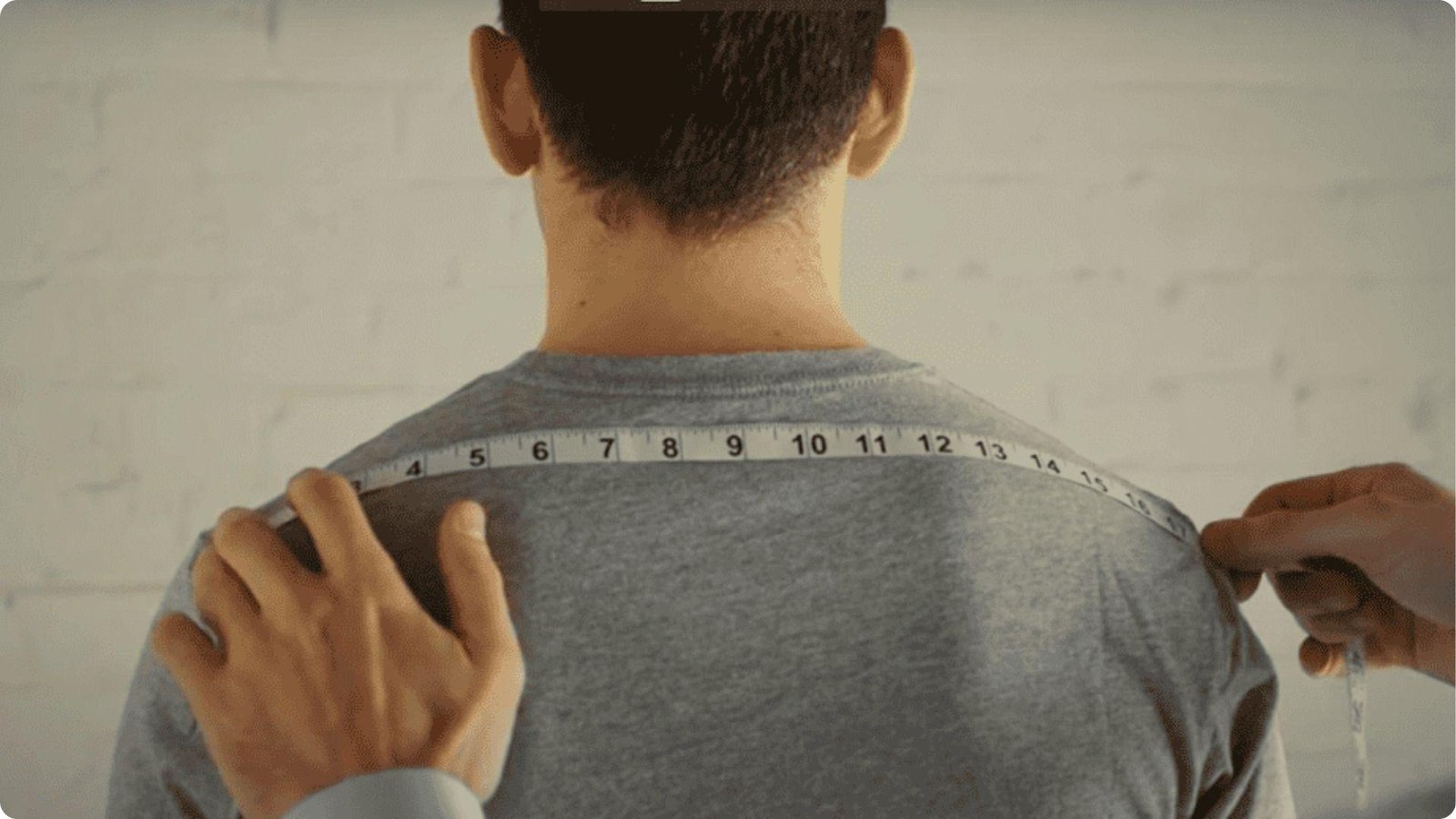
Run the tape from the center back of your neck to the outer edge of your shoulder bone. Keep it flat and smooth against your body. This outer point is where the shirt sleeve seam normally sits.
Step 4: Continue Measuring Down the Arm
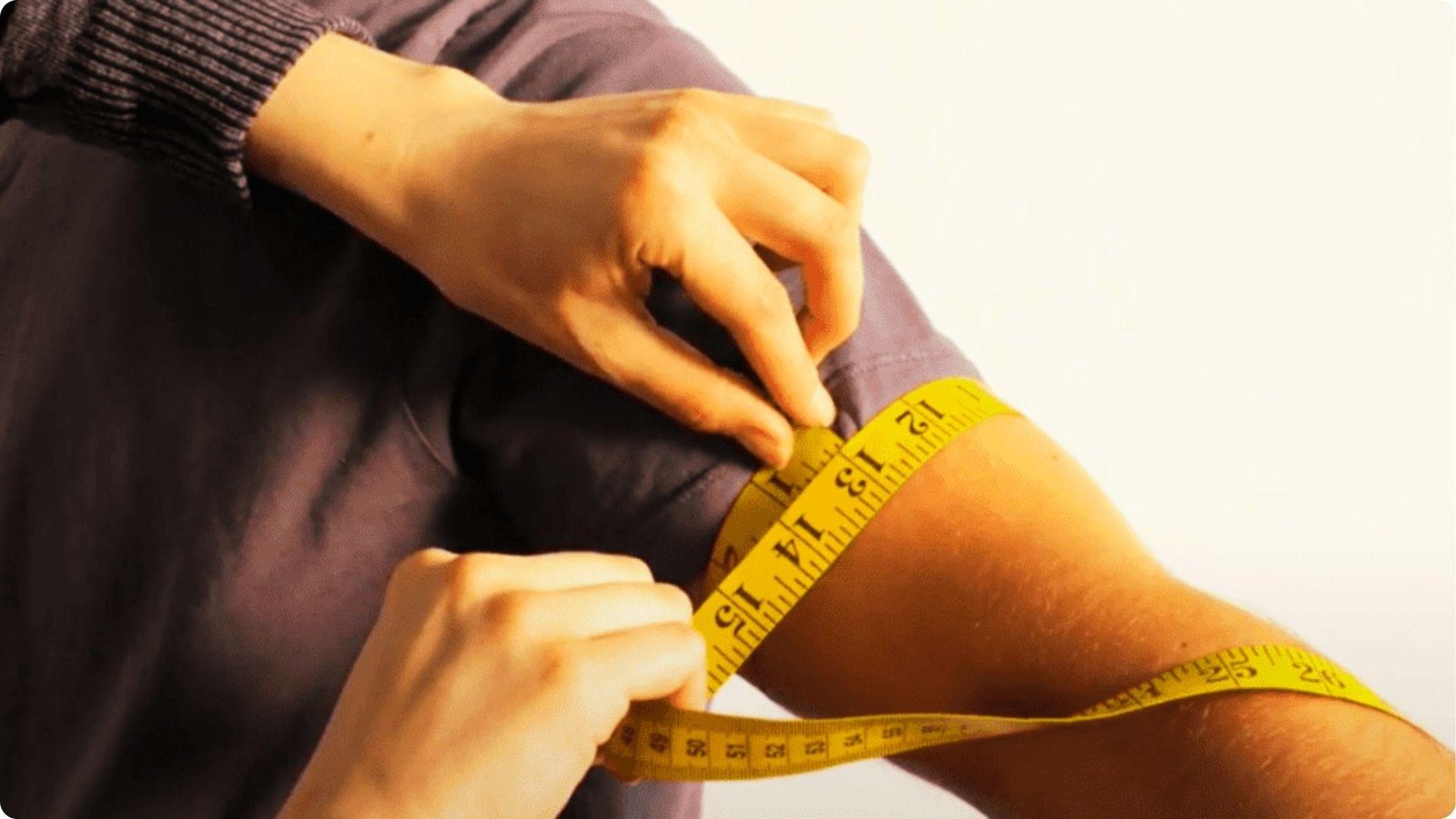
From the shoulder point, run the tape down the outside of your arm. Keep your elbow slightly bent, not fully straight. Follow the arm naturally all the way down to your wrist.
Step 5: End at the Wrist Bone and Record the Measurement
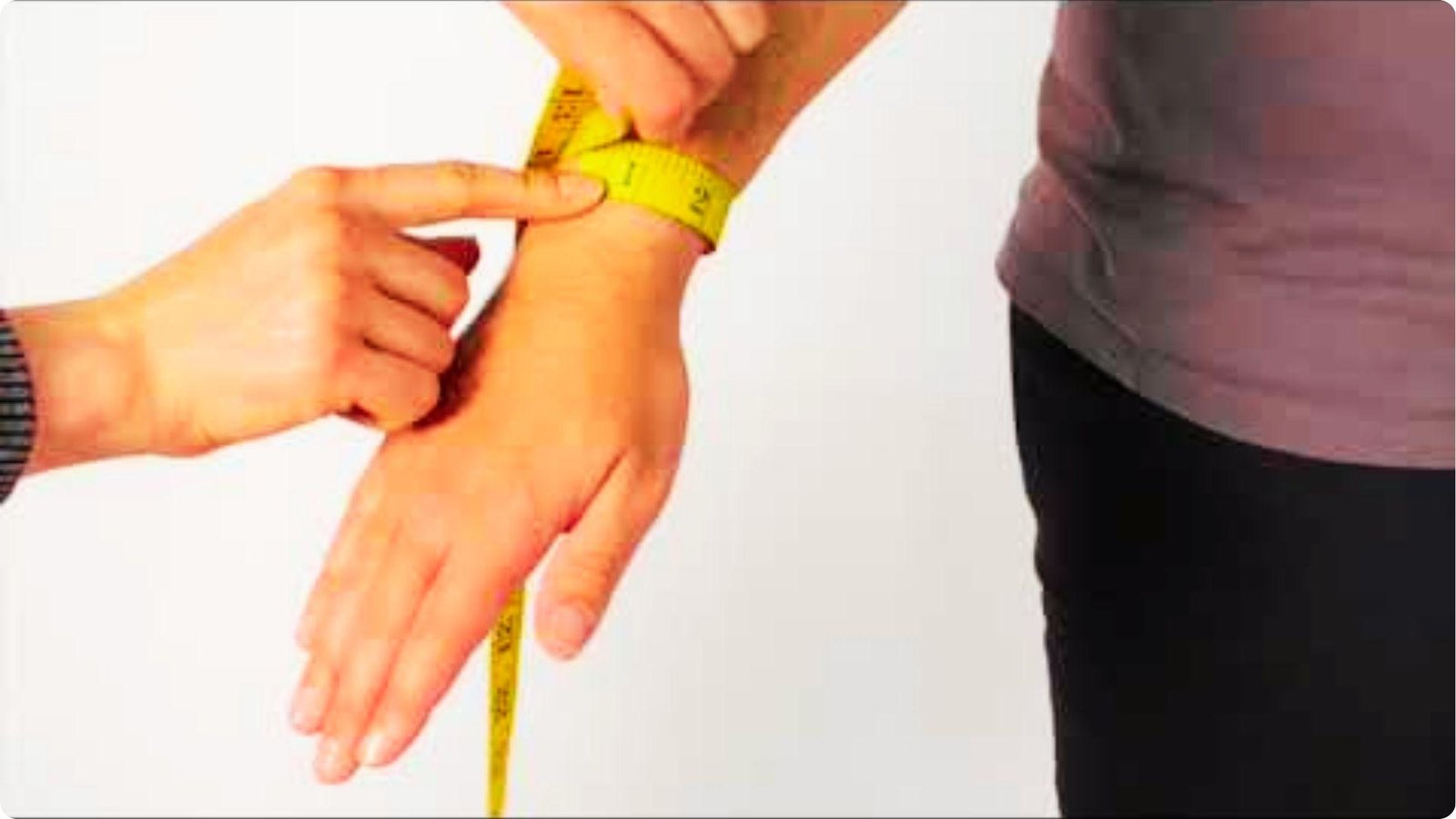
Stop the tape at the small bone on the outside of your wrist. Write the number down right away and measure once more to confirm. If the two numbers differ, always go with the larger one.
How Should Dress Shirt Sleeve Length Fit?
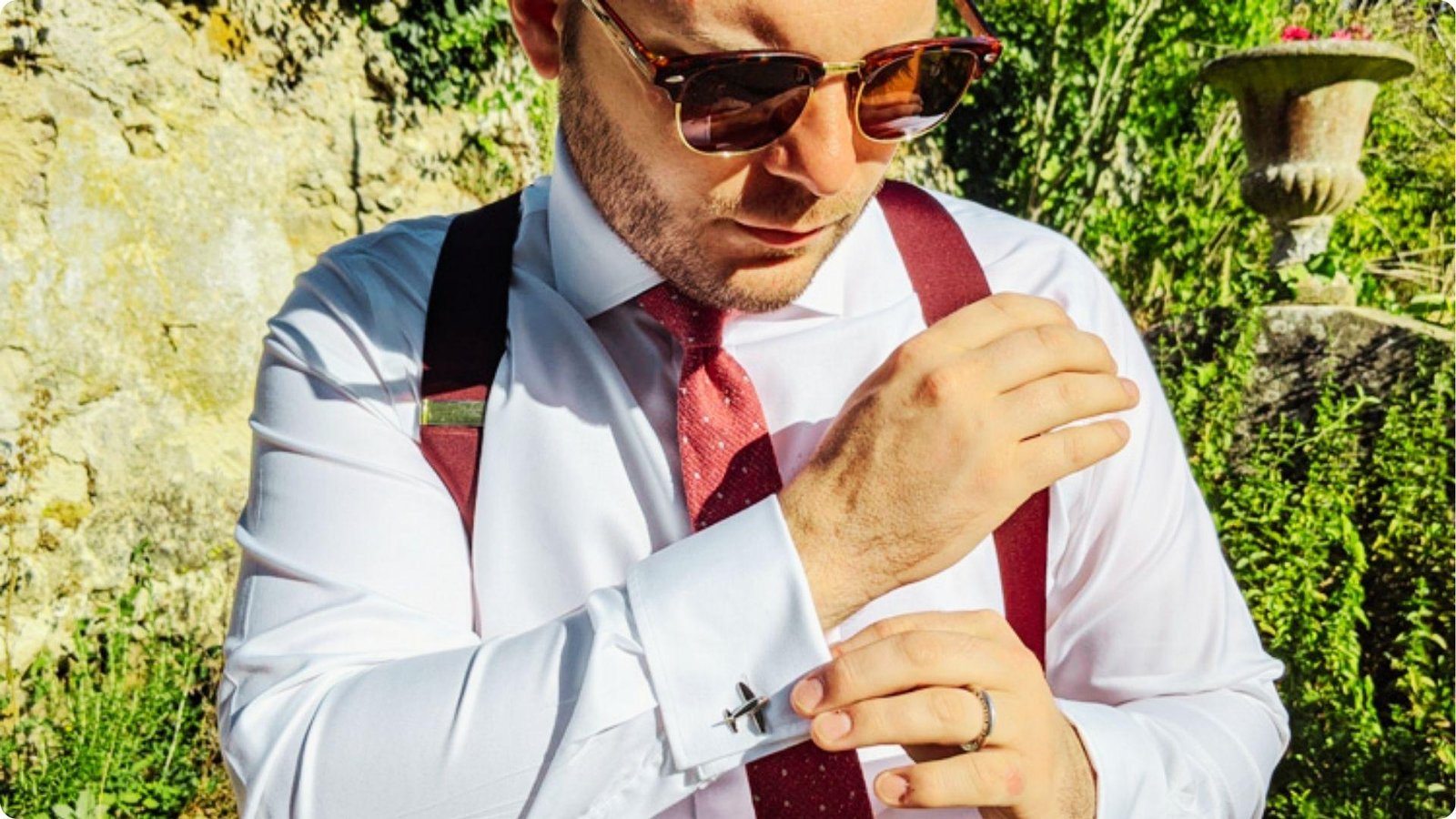
Knowing your measurement is helpful, but knowing how a proper fit looks is just as important.
Where the Shirt Cuff Should End
The cuff should end right at your wrist bone, with about half an inch visible below your sleeve. It should stay in place when you reach forward. A cuff that slides over your hand is too long.
Proper Sleeve Length With a Suit Jacket
About a quarter to half an inch of shirt cuff should show below the jacket sleeve. This visible cuff is a sign of a well-fitted outfit. No cuff showing means sleeves are too short.
Signs Your Sleeves Are Too Short
The cuff sits above the wrist bone or pulls back when you raise your arms. You may also notice the shirt untucking more often. Short sleeves create tension across the whole shirt.
Signs Your Sleeves Are Too Long
The cuff bunches up, slides over your hand, or folds at the wrist. Under a suit jacket, the shirt sleeve hides completely with no cuff visible. The arms of the shirt look baggy even if the body fits.
Can a Tailor Adjust Dress Shirt Sleeve Length?

Yes, a tailor can fix sleeve length issues, and it is often easier and cheaper than buying a new shirt.
Shortening Sleeves for a Better Fit
A tailor removes the cuff, trims the sleeve, and reattaches the cuff cleanly. The process is quick and costs much less than a new shirt. It is the smartest fix when everything else fits well.
Can Dress Shirt Sleeves Be Lengthened?
Lengthening is possible but limited by how much extra fabric exists at the seam. Most shirts allow only a quarter to half an inch of extra length. If you need more than that, replacing is the better option.
When Altering Is Better Than Replacing
Altering makes sense when only the sleeves are the problem and the rest of the shirt fits well. A tailor can correct it quickly at low cost. Replacing is only worth it when multiple areas of the shirt do not fit.
Tips for Getting the Most Accurate Sleeve Length Measurement
Small adjustments in how you measure can make a noticeable difference in the accuracy of your result.
- Measure both arms and use the longer number when ordering.
- Always measure at least twice before writing anything down.
- Add a quarter inch if you wash shirts frequently to allow for shrinkage.
- Keep your arm slightly bent, not fully straight, while measuring.
- Consider your preferred fit style as slim and relaxed fits can sit differently on the arm.
Conclusion
I once bought a dress shirt online without measuring. The sleeves were too long and looked off under my jacket. That one mistake showed me how much this small detail matters.
Now you have everything you need to measure dress shirt sleeve length correctly and shop with confidence.
Go ahead and measure both arms today. Write the numbers down and use them next time you buy.
Found this helpful? Share it with a friend who struggles with shirt sizing or drop a comment below!
Frequently Asked Questions
How do I measure dress shirt sleeve length at home?
Start the tape at the center back of your neck, go across your shoulder, and run it down to your wrist bone. That number is your sleeve length.
Does sleeve length include the shoulder measurement?
Yes, it goes from the center back of your neck, across the shoulder, and down to your wrist. That full path determines your sleeve size.
Where should dress shirt sleeves end?
Sleeves should end right at your wrist bone. Under a suit jacket, about a quarter to half an inch of cuff should show below the jacket sleeve.
What is the average dress shirt sleeve length for men?
Most men fall between 32 and 36 inches. The most common sizes are 32/33 and 34/35, often sold as a range.
Can a tailor fix dress shirt sleeves that are too long?
Yes, a tailor removes the cuff, trims the sleeve, and reattaches it. It is quick and costs much less than buying a new shirt.